INDUSTRIAL COMPONENTS
Carry the active component specification from China to a controlled receiving handoff.
For industrial parts, a usable delivery decision starts with the correct reference, revision, quantity, protective method, documents, inbound identification and receiving owner. FreightVanta helps organize that information for production input, maintenance/spares, project and site-delivery contexts. Engineering approval, testing, regulatory work, carrier capability and site access remain separate confirmation points.
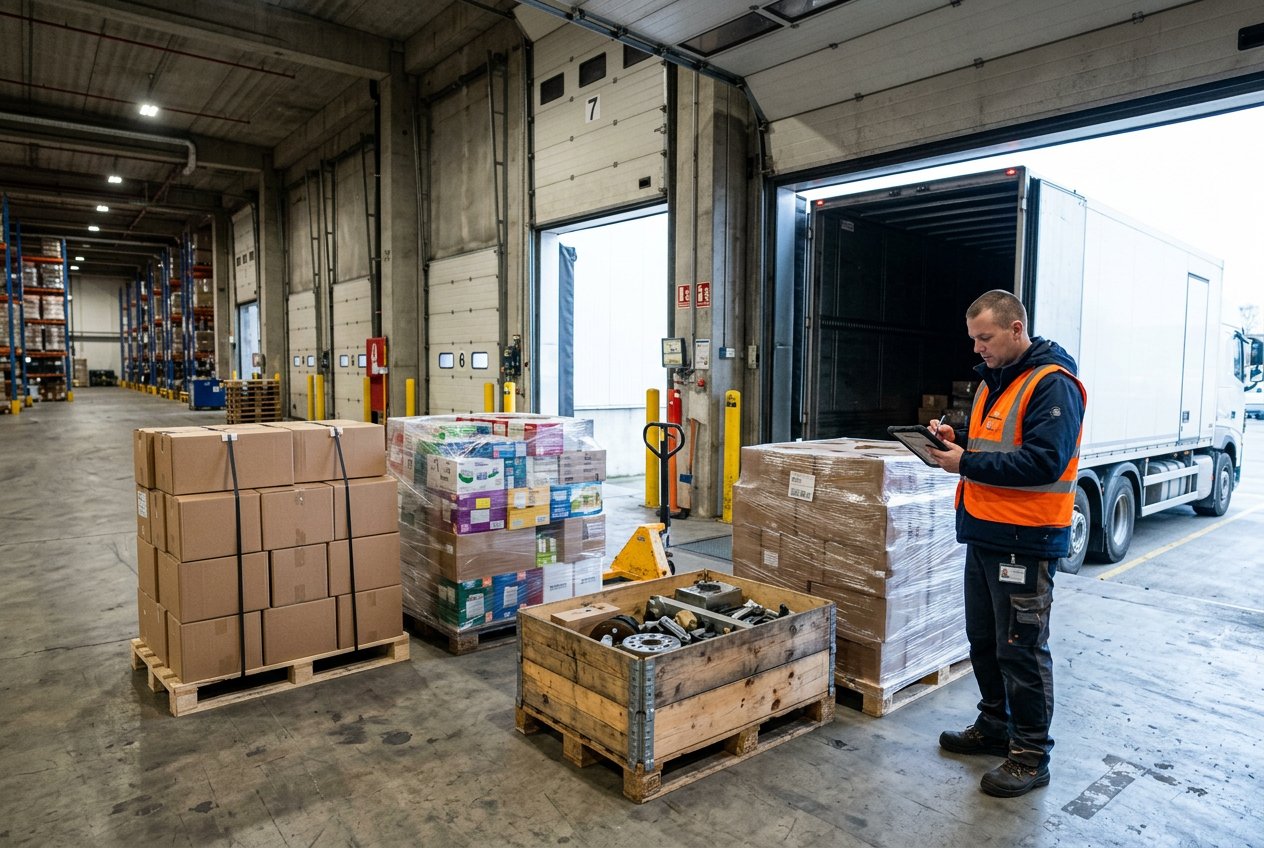
A correct part still needs a usable receiving decision.
The next team should be able to see which revision is active, what protection is required, which document belongs to the part, where it is going and who can release it. The logistics record does not replace engineering approval; it prevents the receiving team from guessing which product context is current.
Operating controls
Included coordination
- Reference and handoff organization
- Protective packaging questions
- Document path
- Inbound identification
Confirm first
- Engineering acceptance
- Testing
- Certification
- Dangerous goods/special handling
- Carrier
- Insurance
- Customs
- Site access and delivery appointment
Component contexts
PRODUCTION INPUT
Revision, lot/quantity, protective rule and production owner.
MAINTENANCE / SPARES
Replacement reference, urgency, compatibility question and receiving owner.
PROJECT / SITE DELIVERY
Site, milestone, access, packaging and document requirements to confirm.
Six-step workflow
Establish active part number, drawing and revision.
Prepare China purchase/supplier handoff.
Confirm protective packaging and handling questions.
Connect commercial, product and shipping documents where provided.
Identify inbound part, quantity, crate/carton and destination.
Release to production, maintenance, project/site or another confirmed owner.
Receipt context checklist
- Active revision.
- Quantity.
- Protection method.
- Evidence/documents.
- Inbound identifier.
- Destination/site.
- Timing milestone.
- Receiving owner.
- Exception path.
Planning brief
Send the active part reference, revision, quantity, origin, destination, protective packaging, documents, required window and decision owner. Mark unknown engineering or regulatory items as open.
Industrial components: questions worth answering early.
Do you approve the engineering specification?
No; the page organizes the active reference, while engineering approval remains with the responsible team.
Can you arrange protective packaging?
The requirement can be coordinated; material and handling scope need confirmation.
Can you guarantee site delivery by a milestone?
No; route, carrier, customs and site conditions must be confirmed.
Can industrial parts be stored before release?
Storage and identification can be planned under a confirmed scope.
Can urgent replacement parts use the time-critical route?
Link to Time-critical Cargo when the consequence, ready date and route decision are defined.
What should be attached first?
Part number/revision, drawing or photo, quantity, destination, packaging and timing.
Related services
- Product SourcingBuild the product and supplier brief before the next purchase decision.
- Bulk Procurement from ChinaPlan quantity, inventory purpose and the next release before a larger buy.
- Inventory StorageMake receiving, identification, storage and release visible.
- Worldwide FulfillmentTurn ready inventory into customer-ready order instructions.
Start the conversation